
Why North Shore Parkway Trees Target Clay Sewer Pipes
The North Shore's lush urban forest of mature heritage oaks, elms, and maples is one of the region's greatest treasures. Unfortunately, root systems spread two to three times the width of the tree canopy, constantly seeking moisture and nutrients.
Pre-1960 clay sewer lines were laid in 3-foot segments joined by cement mortar. Over decades, ground settlement cracks these mortar seals. Escaping water vapor acts as a homing beacon for microscopic root hairs, which enter the joints and blossom into dense, woody mats that trap solids and trigger basement backups.
Option 1: Power Rodding (Temporary Relief)
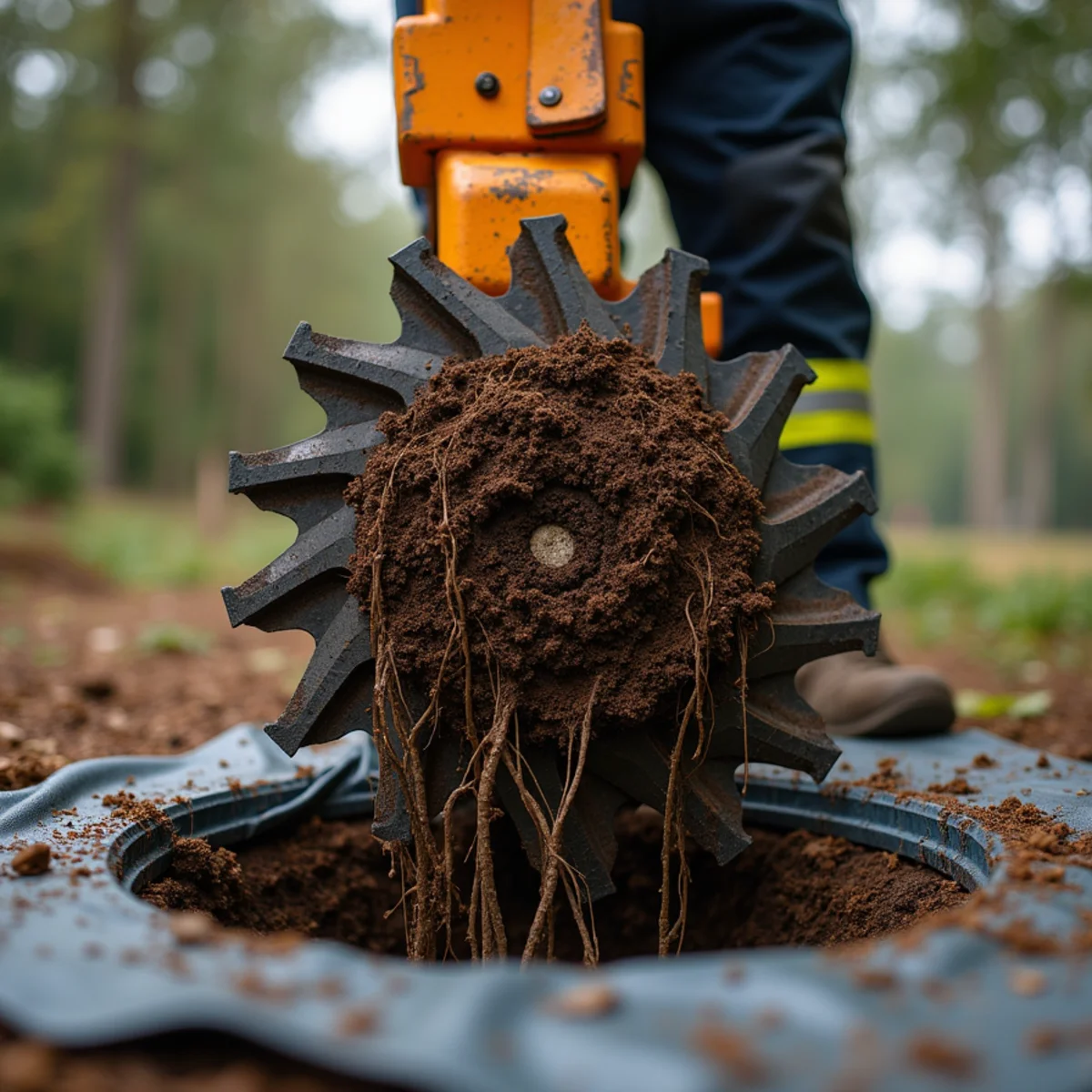
Power rodding uses high-torque electric machines with rotating spring-steel blades to cut a pathway through the root mass. While rodding is an effective emergency measure that restores drainage immediately ($250 – $480), it is only a temporary fix.
Tree roots respond to cutting much like pruning a bush: they return thicker and more aggressively. Homeowners who rely exclusively on rodding typically face repeated backups every 6 to 12 months.
Need immediate help in Wilmette or nearby North Shore?
Option 2: Trenchless CIPP Pipe Lining (Permanent Structural Restoration)
For structurally sound clay lines with recurring root invasion, Cured-In-Place Pipe (CIPP) lining is the North Shore gold standard. An epoxy-saturated felt tube is inserted through an existing cleanout, expanded with compressed air, and cured into a rock-solid, seamless composite pipe inside the old clay line.
Because CIPP lining creates a continuous, joint-free pipe from foundation to street main, there are zero joints for roots to penetrate. It carries a 50-year design life and preserves your manicured landscaping.
Option 3: Traditional Open-Cut Excavation (When Is It Required?)
If an HD sewer camera inspection reveals that tree roots have caused the clay pipe to shatter, collapse, or develop a severe belly (where the pipe has sagged and holds standing water), trenchless lining is no longer viable.
In these structural failure scenarios, open-cut excavation is necessary to replace the collapsed section with heavy-duty SDR-26 PVC. Linden Plumbers coordinates all village permits, utility locates, and street restoration to make excavation seamless.
Trenchless CIPP Epoxy Relining vs. Open-Cut Parkway Replacement
When recurring tree root intrusion proves that a vitrified clay sewer lateral has suffered structural mortar failure, homeowners face a choice between trenchless rehabilitation and traditional excavation. Cured-in-Place Pipe (CIPP) lining offers an advanced trenchless alternative that rehabilitates damaged clay pipes without trenching through manicured lawns, brick walkways, or mature oak root systems.
During CIPP lining, technicians insert an epoxy-saturated felt liner through an existing exterior cleanout. Air pressure inverts the liner against the inner clay walls, and hot water or UV light cures the resin into a rigid, seamless, joint-free structural pipe with an expected service life of 50+ years. Because it eliminates mortar seams, tree roots can never penetrate the line again.
Root Intrusion Cycles and Seasonal Hydro-Rodding Schedules
Tree root intrusion into vitrified clay sewer laterals is not a static condition; it follows seasonal vegetative growth cycles driven by moisture demand. During late spring and the dry heat of mid-summer, mature North Shore trees such as silver maples, oaks, and elms send out millions of microscopic hair roots in search of underground nutrients and moisture. The unsealed mortar joints and mechanical hubs of pre-1960 clay sewer lines constantly emit warm moisture vapor, acting as an irresistible beacon for root systems.
Once root tendrils penetrate a joint, they expand rapidly inside the pipe barrel, acting as a biological comb that traps grease, hair, and toilet tissue. Scheduling proactive hydro-jetting or mechanical rodding on an annual or biennial schedule—ideally in early spring or late autumn—cuts roots flush with the pipe wall before they cause a catastrophic structural collapse. For permanent peace of mind, pairing root clearance with trenchless epoxy cured-in-place pipe (CIPP) lining seals every compromised joint without requiring open trench excavation across manicured parkways.