
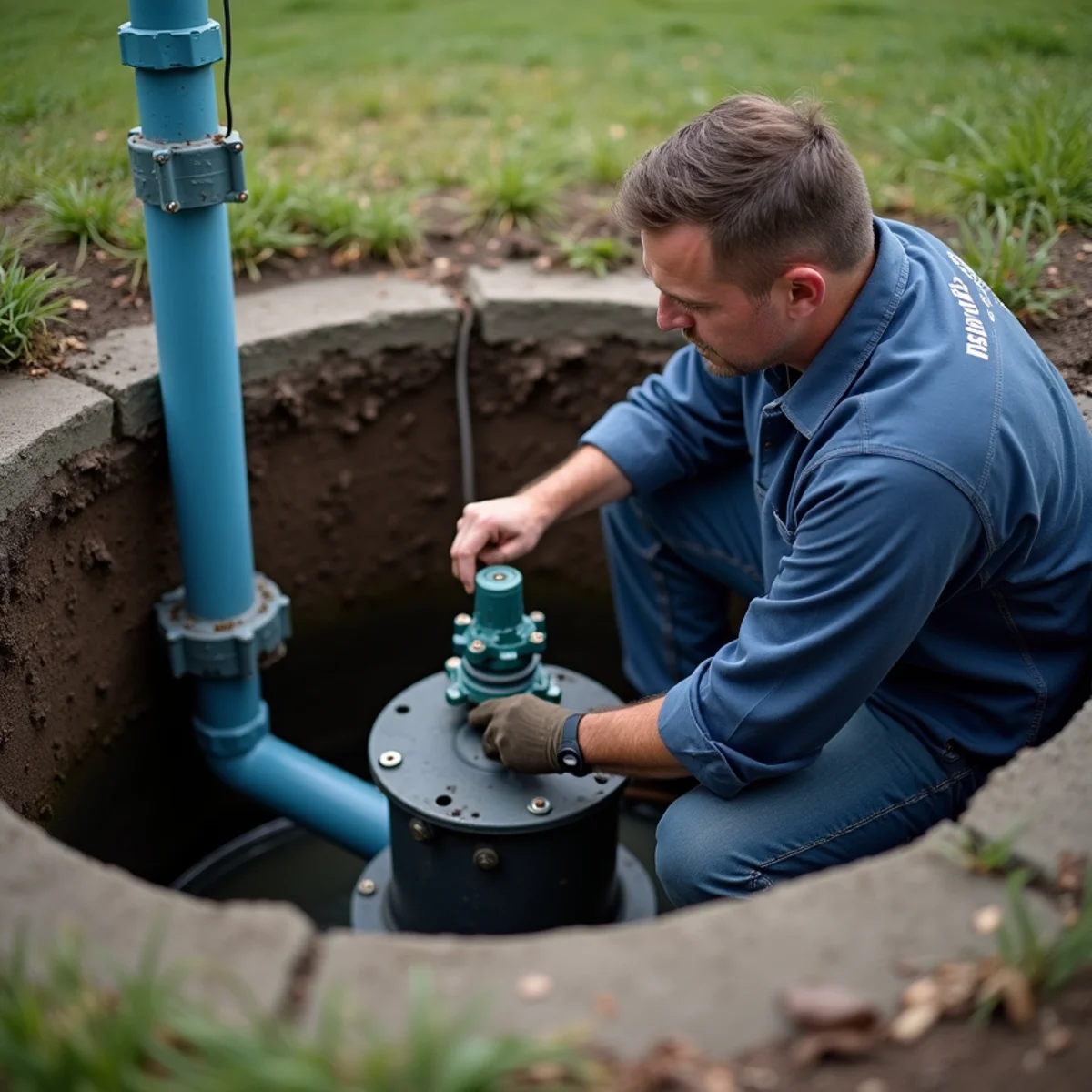
1. The Pump Runs Constantly Even Without Rain
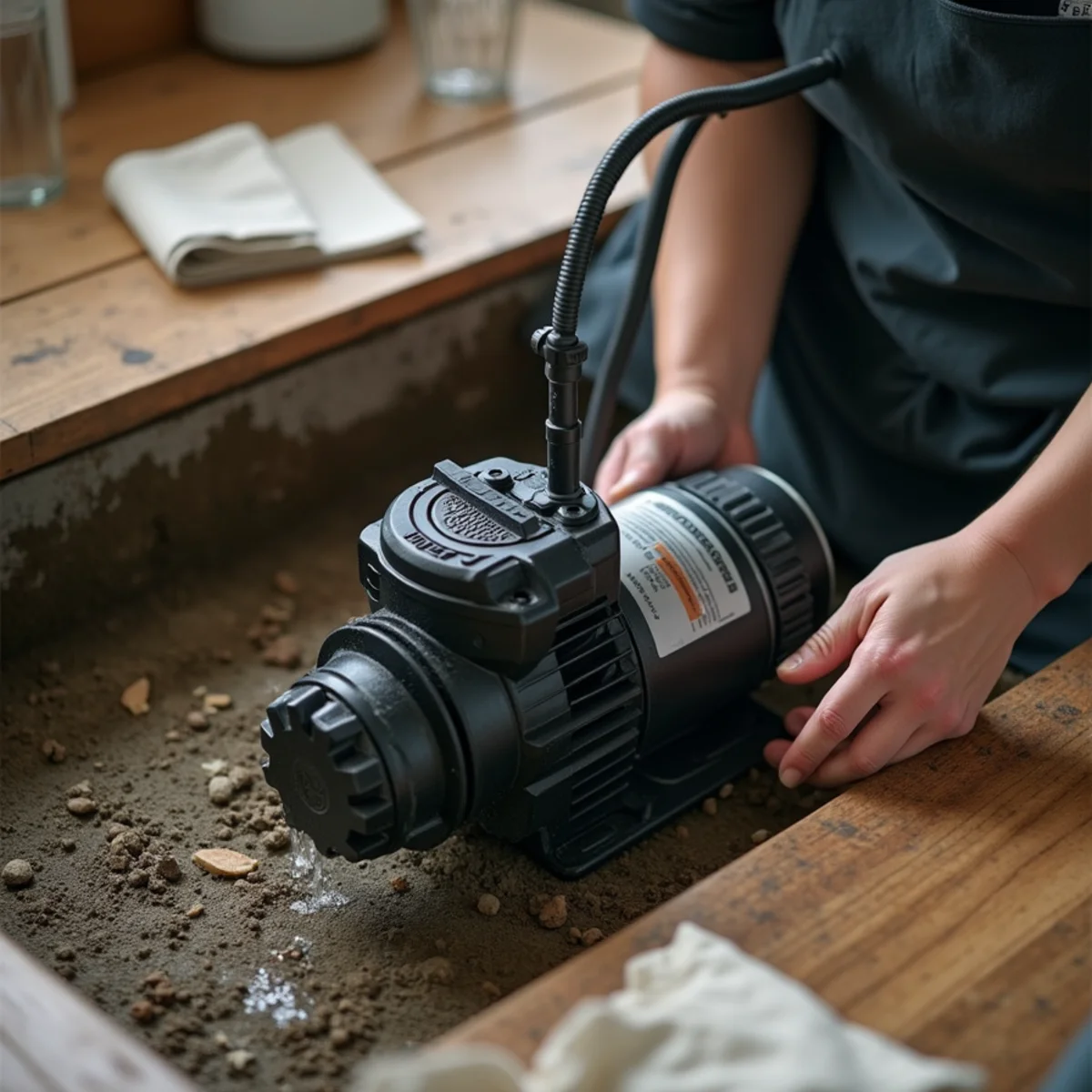
If your sump pump runs continuously without shutting off, the mechanical float switch is likely pinned against the basin wall, or the internal switch contacts have welded shut. Running continuously burns out the electric motor capacitor within days, leaving your basement completely defenseless when the next storm arrives.
2. Loud Grinding, Rattling, or Squealing Noises
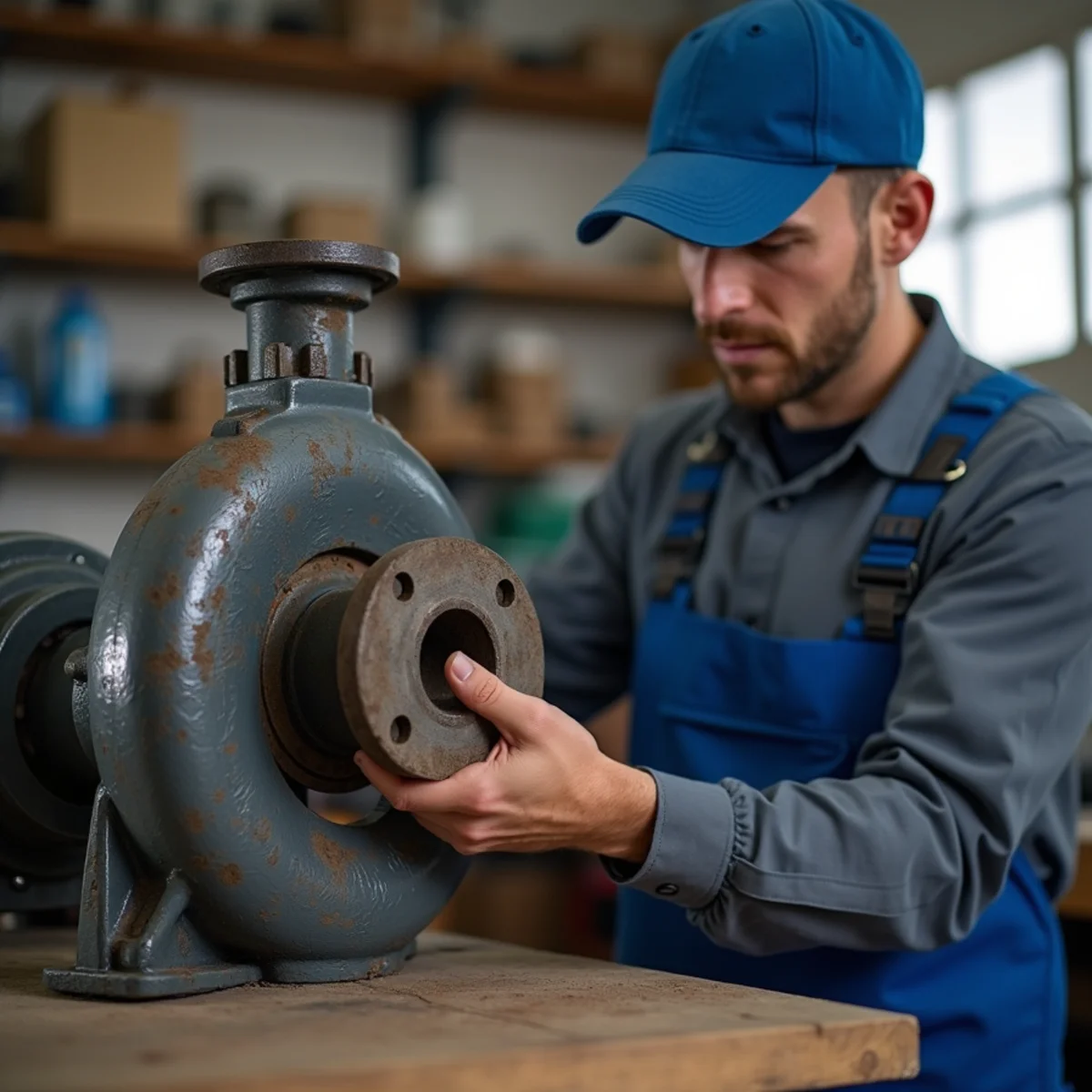
Modern cast iron sump pumps should operate with a gentle, muffled hum. Loud rattling or clattering sounds indicate that the internal impeller has chipped, bent, or sucked up gravel from the basin bottom. High-pitched squealing points to failing motor bearings, signaling imminent mechanical seizure.
Need immediate help in Wilmette or nearby North Shore?
3. The Pump Is Over Seven Years Old
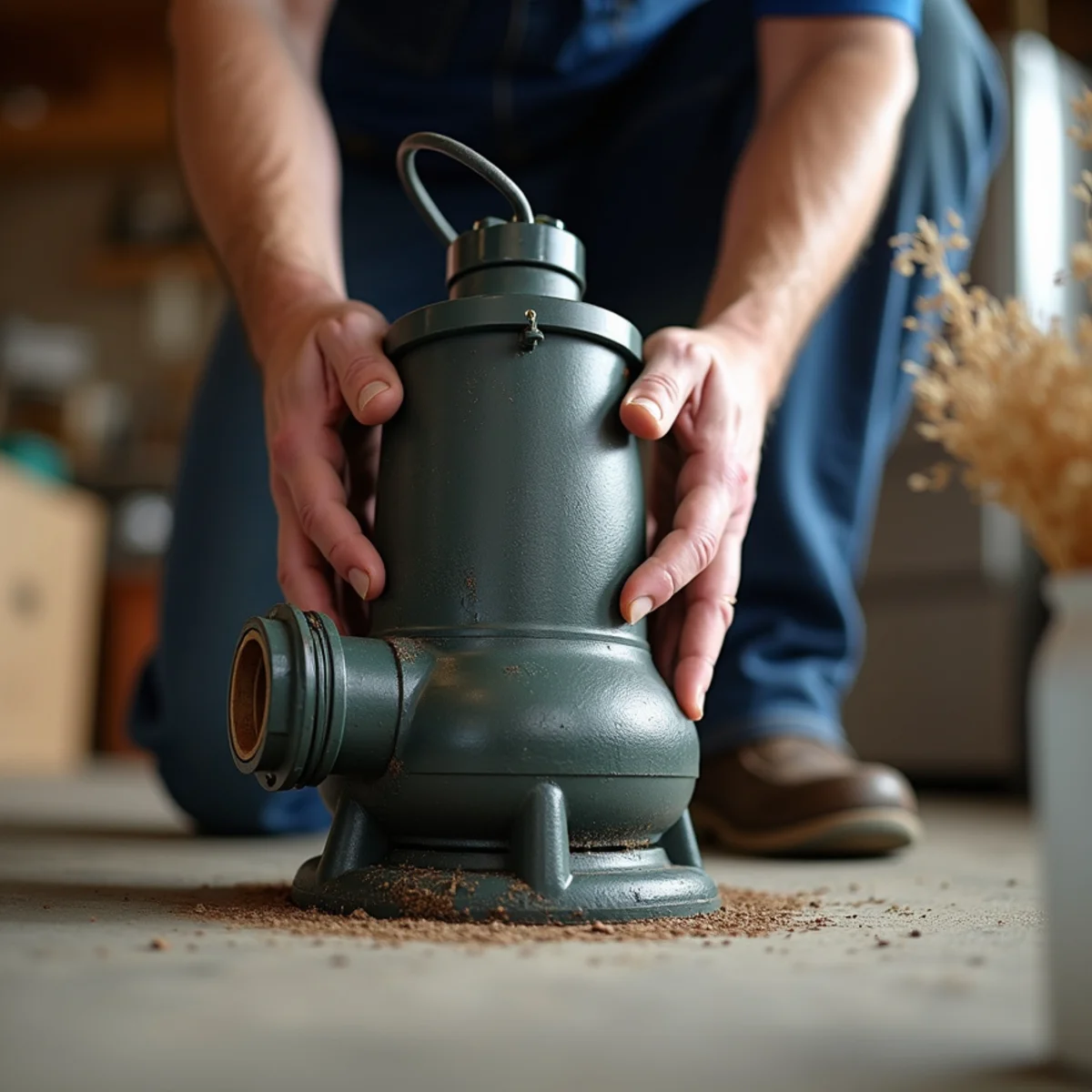
Even the highest-quality submersible pumps have an average operational lifespan of 5 to 7 years in the Chicago area. Groundwater chemistry, frequent cycling during spring thaws, and electrical fluctuations cause motor winding degradation. If your pump was installed over seven years ago, proactive replacement is cheap insurance.
4. The Unit Vibrates Excessively When Operating
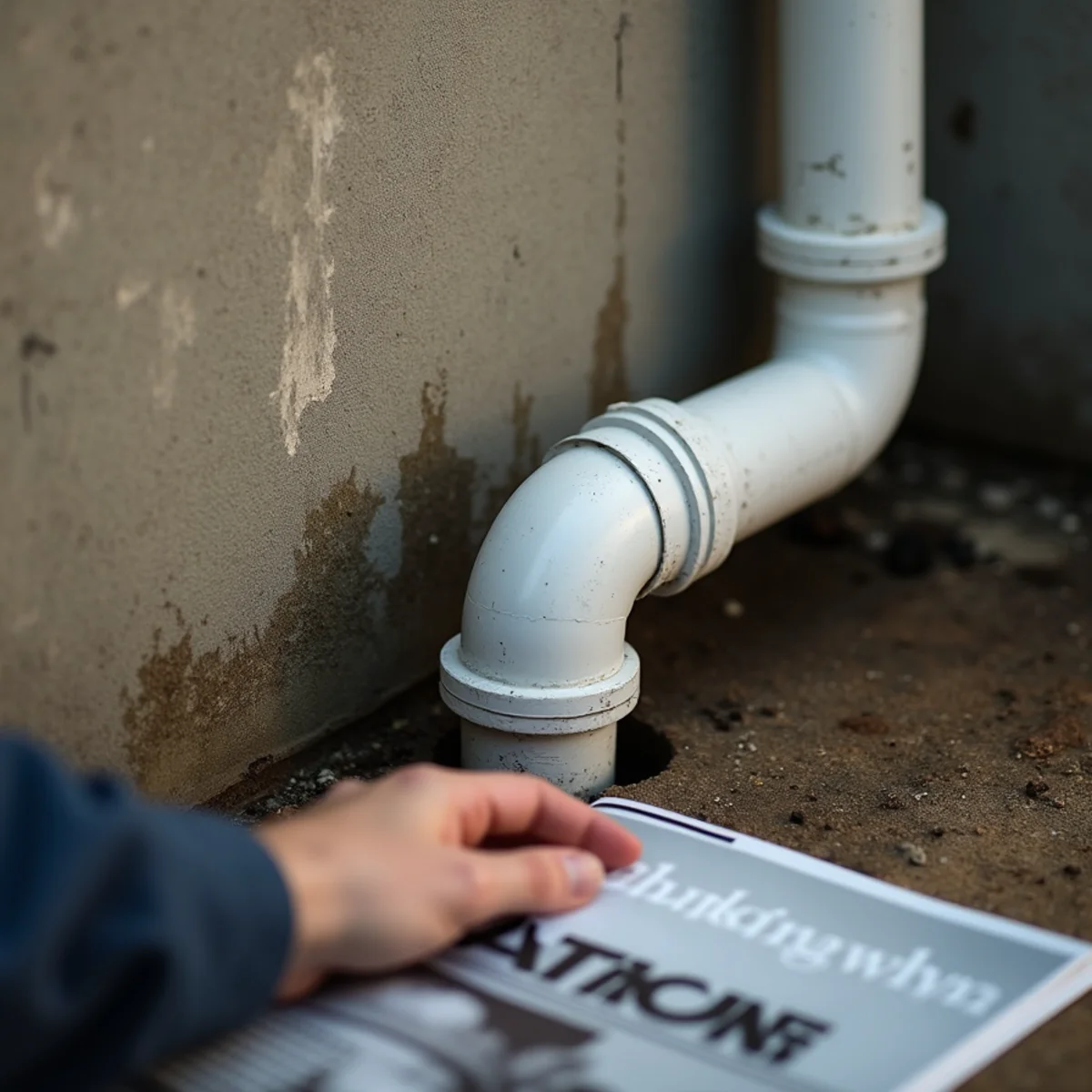
An unbalanced impeller shaft causes severe motor vibration that shakes the entire PVC discharge pipe. Over time, this vibration cracks glued PVC joints and loosens rubber check valve couplings, spraying water across your basement walls.
5. Circuit Breaker Trips Whenever the Pump Cycles
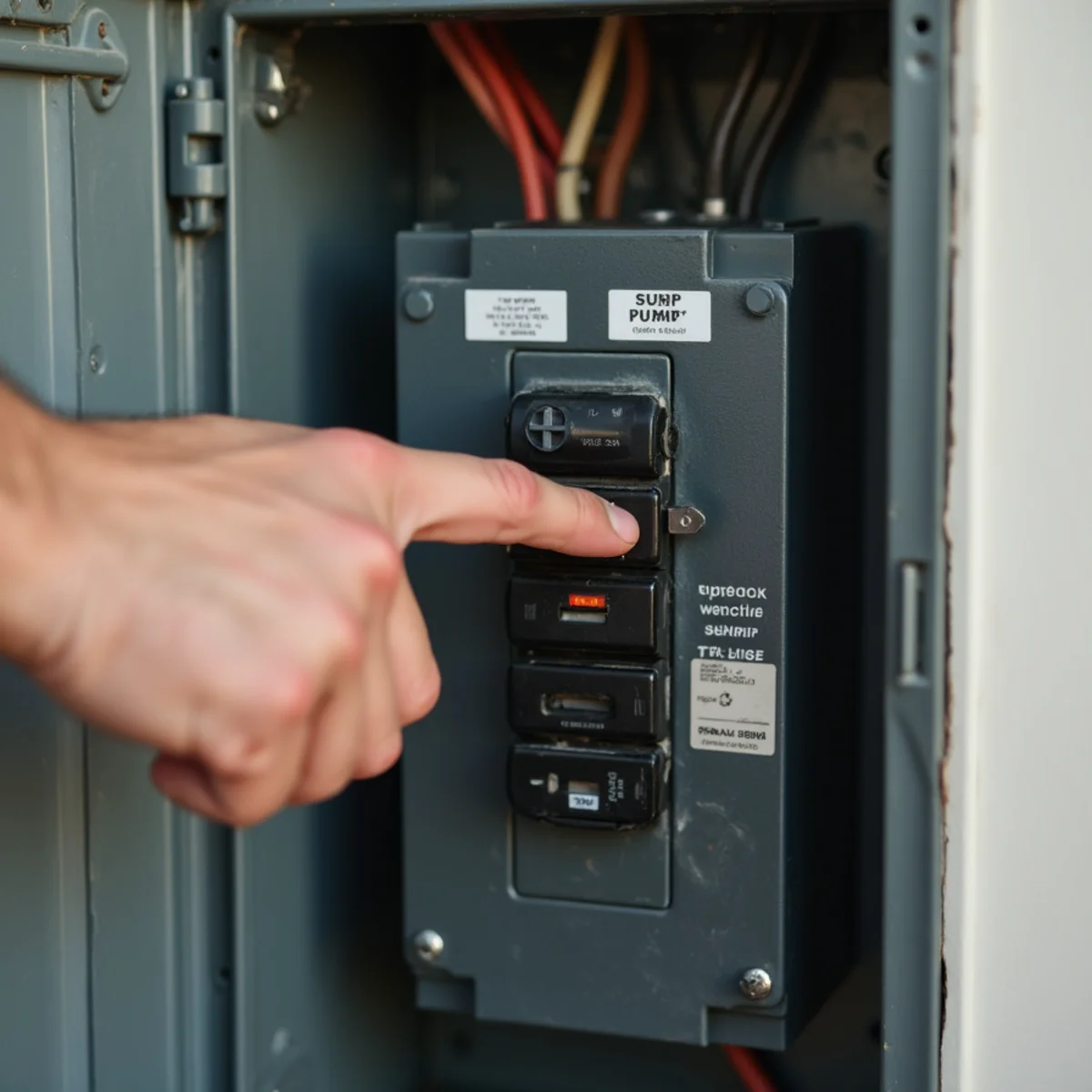
If the electrical breaker trips or the GFCI outlet resets when the sump pump kicks on, the motor has developed an internal electrical short. Water has likely breached the hermetic oil seals, creating an immediate fire and shock hazard.
6. Visible Rust and Corrosion Across the Housing
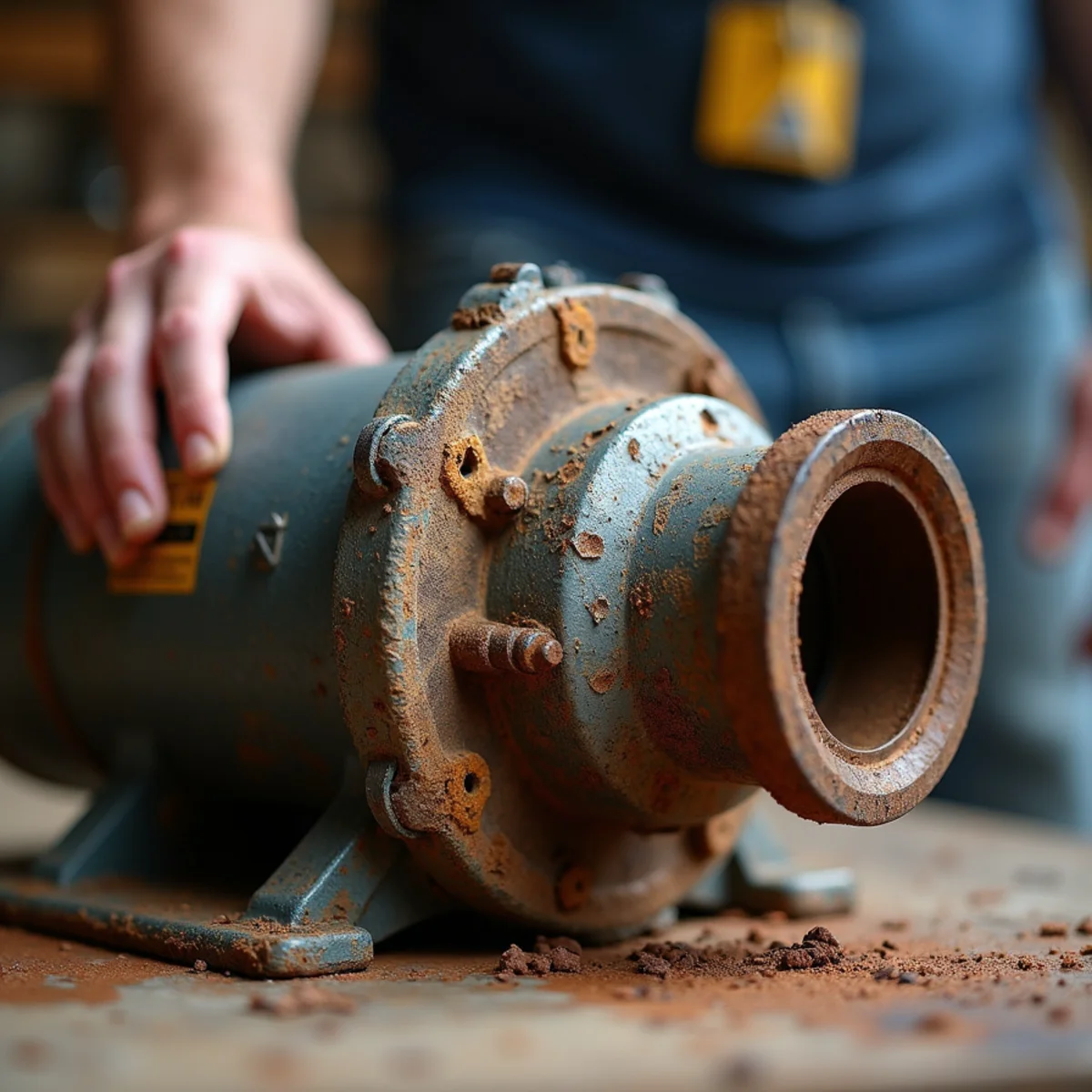
White calcification or reddish-brown rust eating through the cast iron pump body compromises the seal between the motor housing and the pumping chamber. Once moisture enters the motor core, electrical burnout is guaranteed.
7. The Pit Is Filled With Water but the Pump Sits Silent
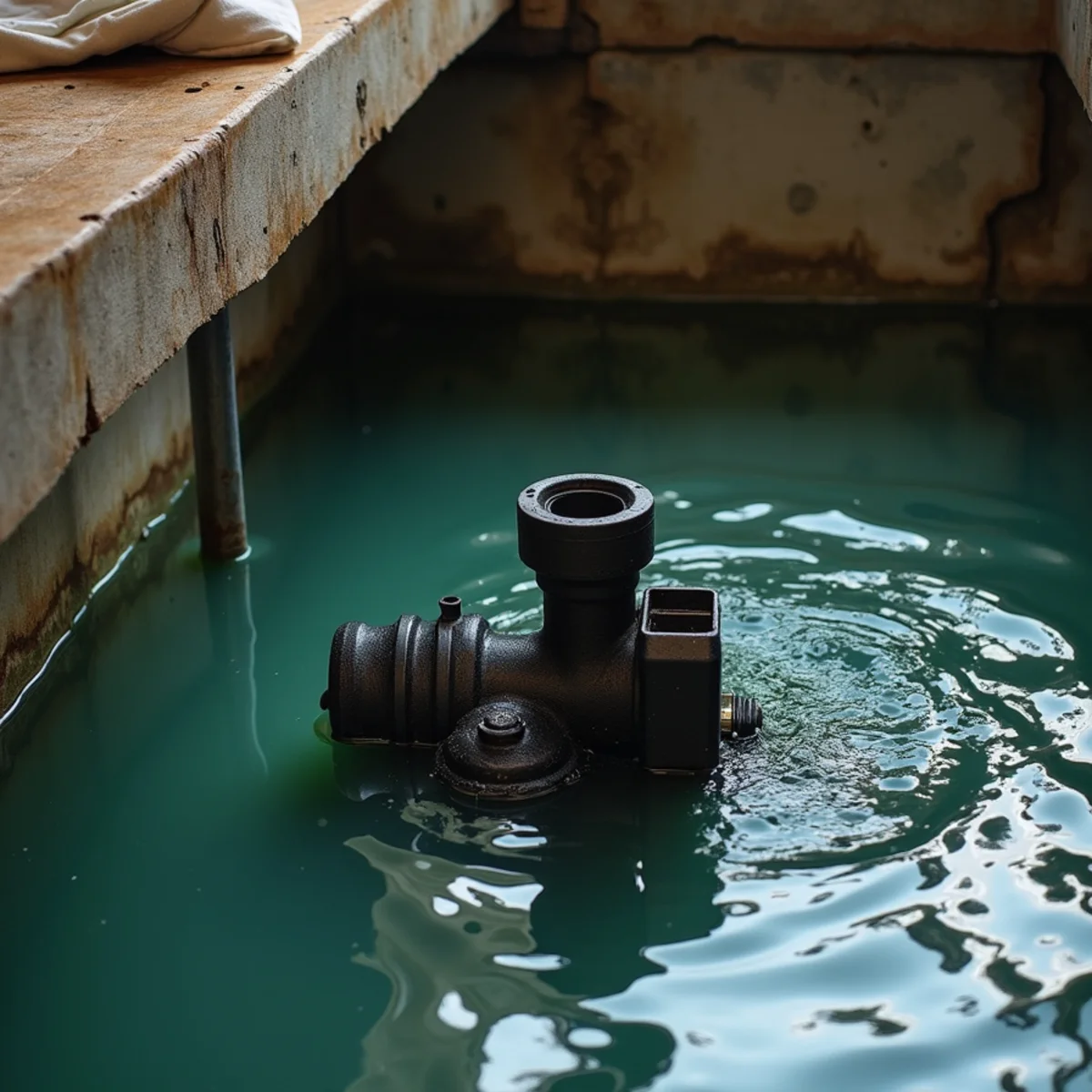
If water has risen past the float level but the pump does not activate, test the electrical outlet with a lamp. If power is present, the float switch or internal motor winding has failed completely. Call Linden Plumbers at (858) 363-8298 for immediate emergency replacement.
Preventive Sump Maintenance: Pit De-Silting and Weep Hole Clearing
A sump pump operating in North Shore soils contends with fine silt, sand, and iron ochre (bacterial iron slime) that continuously washes through foundation drain tiles into the basin. Over time, heavy sediment accumulates at the bottom of the pit, choking the pump's intake screen and causing the impeller motor to overheat and trip the circuit breaker.
During an annual maintenance inspection, our technicians disconnect the pump, thoroughly vacuum and de-silt the basin, test motor amperage draw under load, and clear the 3/16-inch air relief weep hole drilled in the discharge pipe between the pump housing and the check valve. A clogged weep hole causes airlock, preventing the pump from moving water even when the motor is spinning vigorously.
Dual-Pump Alternating Systems and Smart Wi-Fi Monitoring Controllers
For North Shore homeowners with finished basements, home theaters, or high-value mechanical systems, relying on a single mechanical sump pump represents an unacceptable risk. Mechanical float switches are the single most common failure point in residential stormwater systems, prone to hanging up on basin walls or succumbing to mineral calcification. Upgrading to a commercial-grade dual-pump alternating system provides redundant protection and dramatically extends overall system lifespan.
In a dual-pump setup, an intelligent digital controller alternates pump cycles between two commercial submersible pumps, ensuring equal wear while verifying that both units remain fully operational. Furthermore, modern installations incorporate smart Wi-Fi connected controllers that monitor real-time pit water levels, pump amp draw, battery charge state, and cycle frequency. Homeowners receive instant smartphone push notifications if a pump fails to start, power is lost, or water levels reach an alarming high-water threshold, allowing corrective action before any water touches the floor.