The Physics of Basement Flooding in North Shore Communities
Basement flooding along the North Shore is governed by simple hydraulic physics. In traditional gravity sewer homes, your plumbing fixtures—toilets, basement floor drains, and laundry sinks—drain downward by gravity into the municipal sewer line under the street.
When severe cloudbursts overwhelm municipal storm and combined sewer mains, water levels inside the city pipes rise above the elevation of your basement floor slab. When hydrostatic head pressure builds, water flows backward along your private lateral and erupts from the lowest gravity openings in your home.
Option 1: The Automatic Backwater Valve (Pros, Cons, and Mechanics)
An automatic backwater valve is a heavy-duty PVC or cast iron check valve installed in your main building sewer line. Inside, a balanced flapper rests open during normal conditions to allow household wastewater to drain freely out to the street.
When the municipal main surcharges and wastewater pushes in reverse, the flapper is forced closed, sealing your home against street sewage. While backwater valves are cost-effective ($2,500 – $5,500 installed), they have one major limitation: when the valve is closed during a storm, you cannot run any water inside your home. Running a shower or washing machine while the flapper is shut will flood your own basement with your own wastewater.
Need immediate help in Wilmette or nearby North Shore?
Option 2: The Overhead Sewer Conversion (The Ultimate Protection)
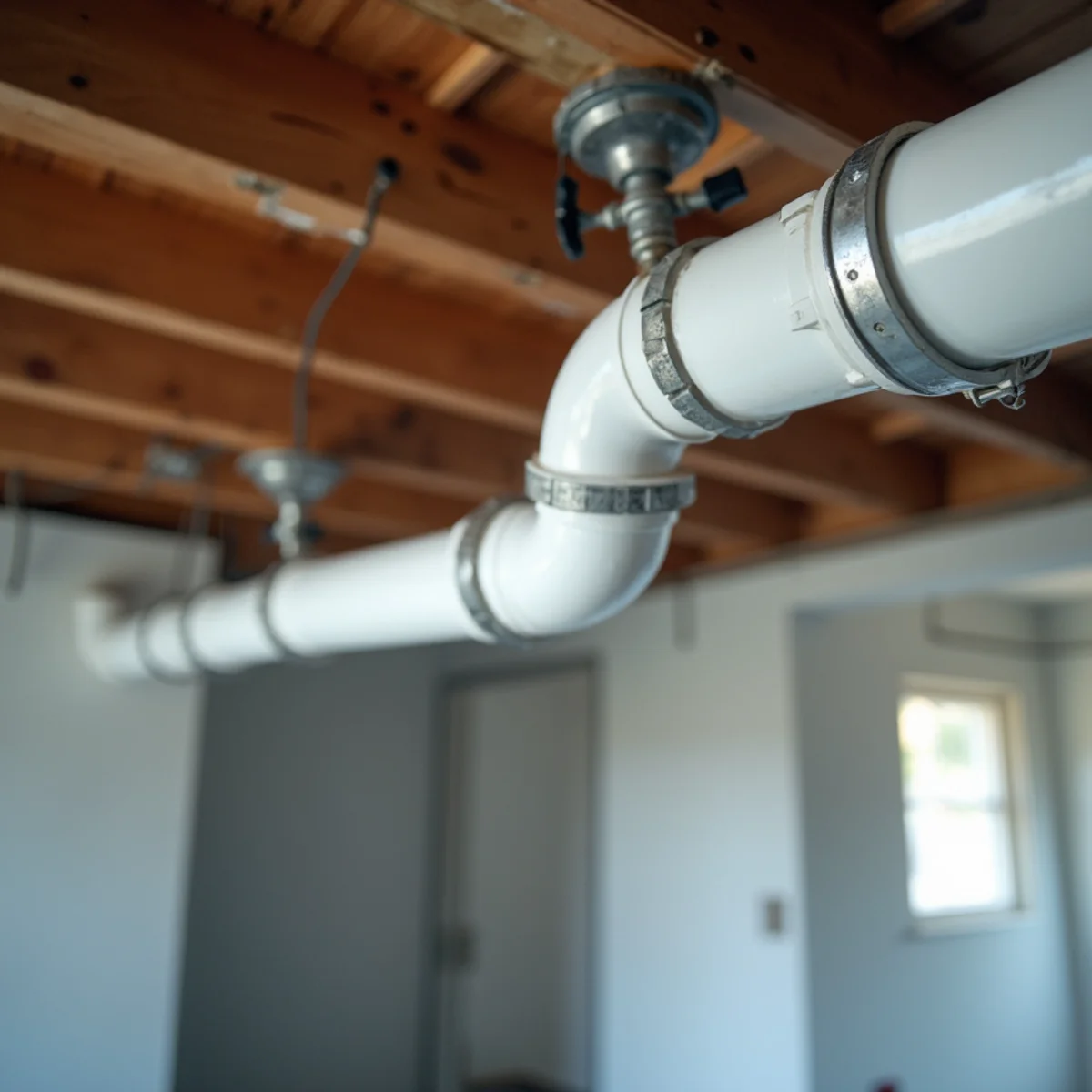
An overhead sewer conversion completely redesigns your basement plumbing to eliminate gravity vulnerabilities permanently. All basement fixtures (floor drains, laundry tubs, bathroom rough-ins) are disconnected from the gravity line and routed into an underground sealed sewage ejector pit.
An electric ejector pump lifts this lower-level wastewater up to the basement ceiling, where it joins upper-floor plumbing lines and flows out to the street sewer by gravity above ground elevation. Because there are zero gravity openings below street level, municipal sewer surges cannot physically enter your basement—even if the street is completely flooded.
Cost Comparison and Municipal Rebates
While an overhead sewer conversion represents a larger upfront investment ($8,500 – $16,500+), several North Shore municipalities offer generous financial assistance. The Village of Glenview and the Village of Northbrook both maintain active cost-participation programs that reimburse qualified homeowners for a significant percentage of eligible construction expenses.
Linden Plumbers handles all municipal documentation, engineering permits, and required village inspections to ensure you maximize your municipal reimbursement.
Sump and Ejector Basin Requirements for Overhead Sewer Conversions
An overhead sewer conversion completely redesigns how basement plumbing interfaces with the municipal sewer main. In a standard gravity configuration, basement plumbing fixtures (floor drains, laundry tubs, utility sinks, basement bathrooms) connect below ground level. During an overhead sewer conversion, all basement drainage is physically disconnected from the main sewer line.
These lower-level fixtures are re-routed into a heavy-duty sealed sewage ejector basin installed in the basement floor. A high-capacity grinder pump lifts wastewater up near ceiling level before discharging it into the overhead sewer line that exits the foundation wall several feet above street level. Because the lowest opening is above street grade, municipal street sewers cannot surcharge into the basement under any circumstances.
Pump Sizing and Hydraulic Head Calculations for North Shore Basements
The engineering heart of every successful overhead sewer conversion is accurate hydraulic sizing of the basement sewage ejector and groundwater sump systems. A common mistake made by inexperienced installers is selecting an undersized 1/3-horsepower pump or incorrectly calculating total dynamic head (TDH)—the vertical elevation distance combined with friction loss through piping elbows and check valves. In deep North Shore basements, pumping wastewater eight to ten feet vertically to the overhead ceiling main requires high-torque, cast-iron submersible solids-handling ejector pumps capable of passing two-inch spherical solids without stalling.
Moreover, dual-basin configurations that physically segregate clear storm groundwater from raw sewage wastewater must feature independent, dedicated discharge lines equipped with heavy-duty quiet-close check valves. Adding an auxiliary commercial-grade battery backup system or integrating an automatic natural gas transfer generator ensures that even if a severe municipal electrical grid failure accompanies a torrential thunderstorm, your overhead pumping station continues expelling lower-level wastewater safely above the street surcharge line.