
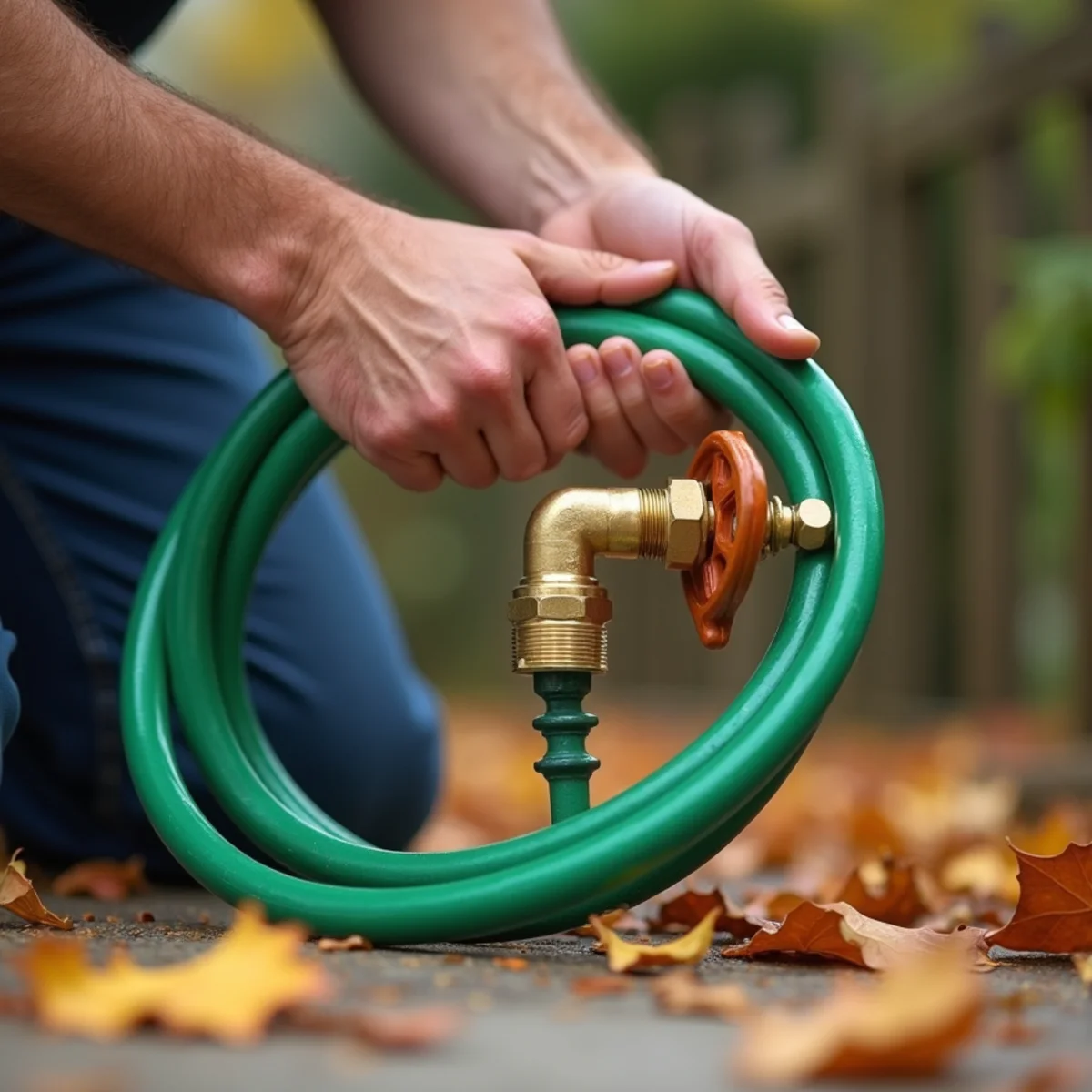
Step 1: Detach Garden Hoses and Drain Outdoor Sillcocks
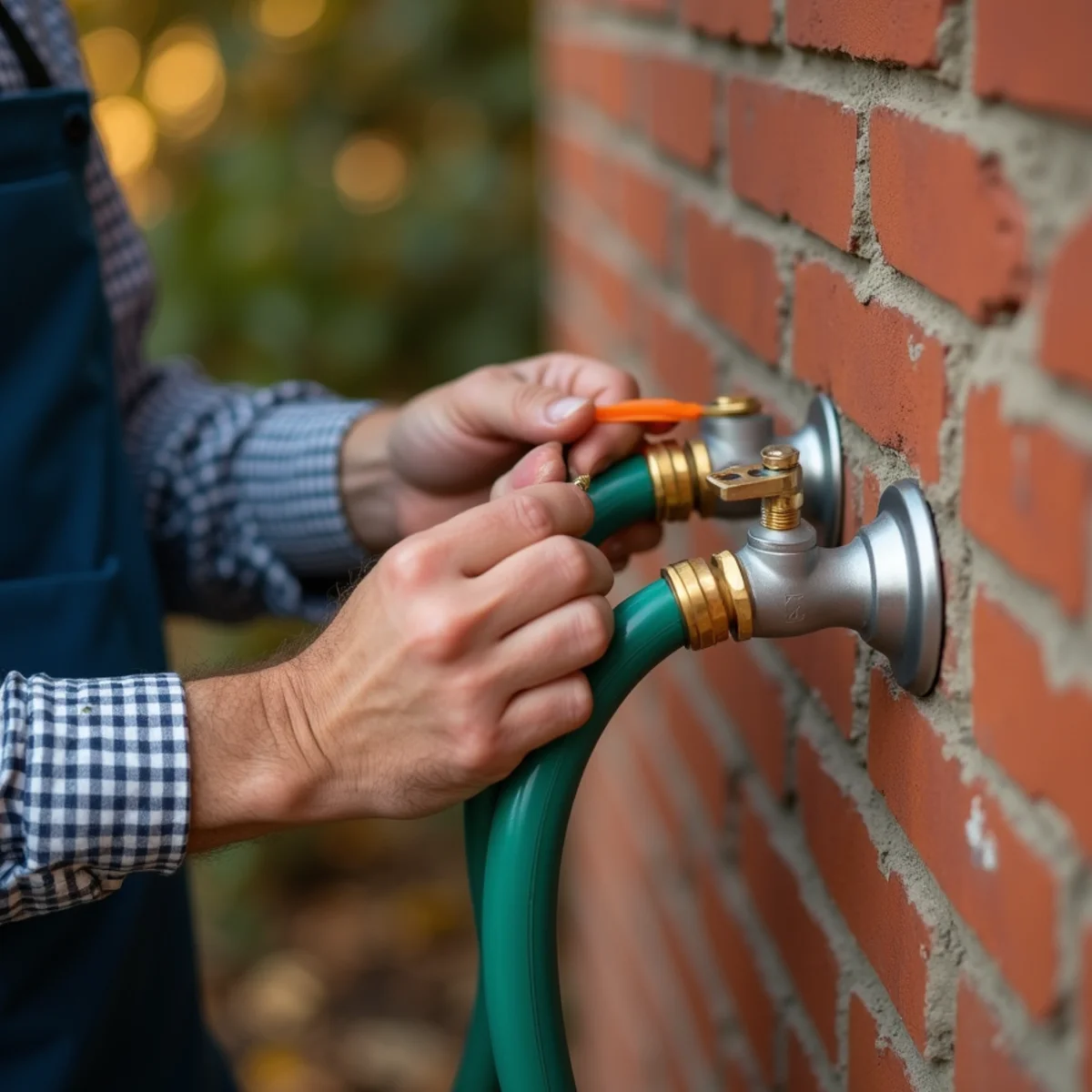
The number one cause of winter pipe bursts across Cook County is garden hoses left connected to exterior faucets during the first hard freeze in November. Even 'frost-free' sillcocks will freeze and split if a hose remains attached, because the hose prevents the trapped water from draining out of the internal brass barrel.
Disconnect, drain, and store all garden hoses. If your home has interior shut-off valves for outdoor spigots (common in older North Shore basements), close those valves and open the outside faucets to drain any residual water.
Step 2: Inspect and Test Your Sump Pump and Battery Backup
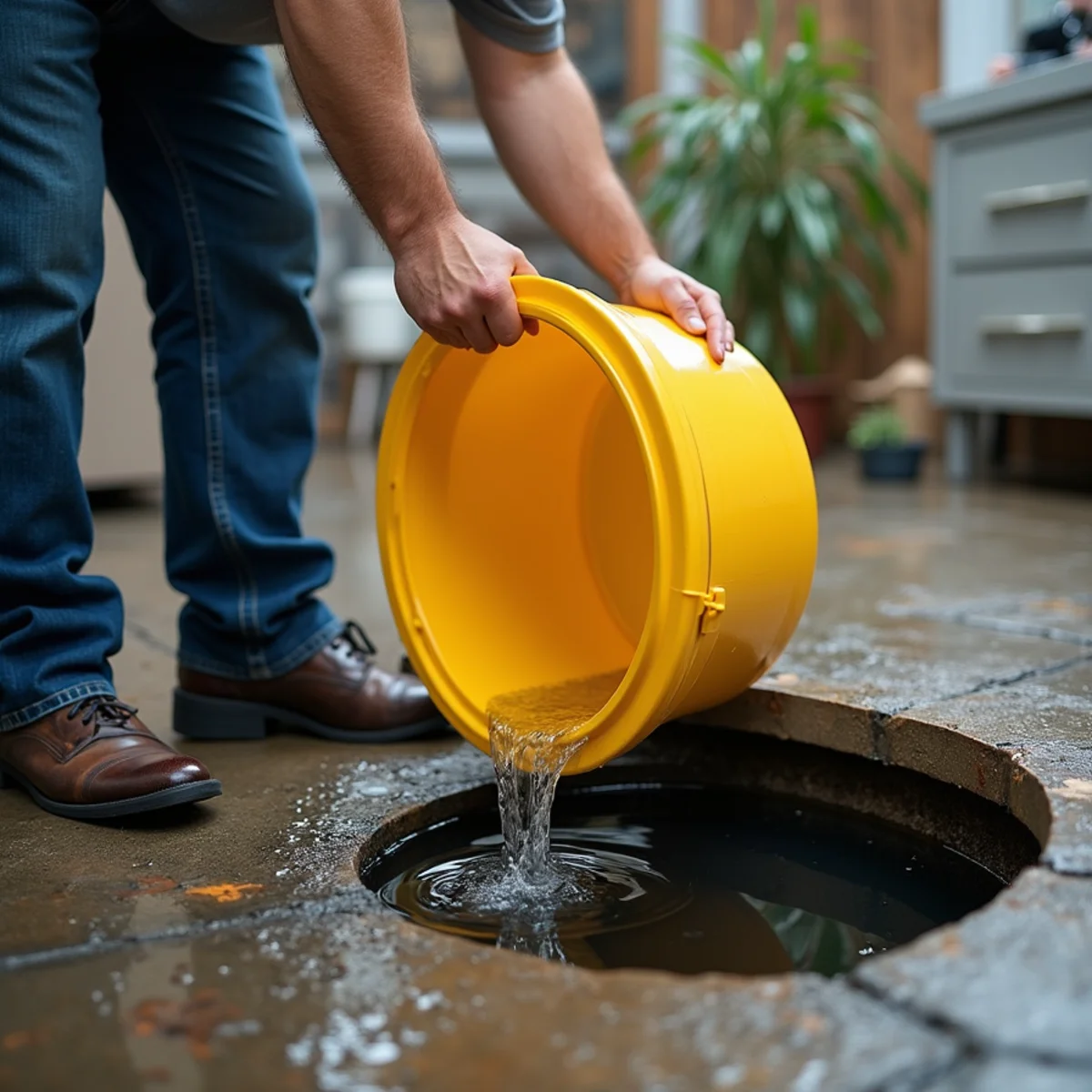
While spring thunderstorms bring obvious flooding risks, late fall and early winter bring freeze-thaw cycles that push snowmelt into basement foundation drains. Inspect your sump basin, remove accumulated silt, and test the float switch by pouring five gallons of water into the pit.
Check the exterior discharge line where water exits your foundation wall. If the discharge pipe freezes solid with ice, your sump pump will run continuously against a dead head until the motor burns out. Install an ice-relief discharge fitting to allow water to escape even if the main discharge line freezes.
Need immediate help in Wilmette or nearby North Shore?
Step 3: Flush Sediment from Your Water Heater
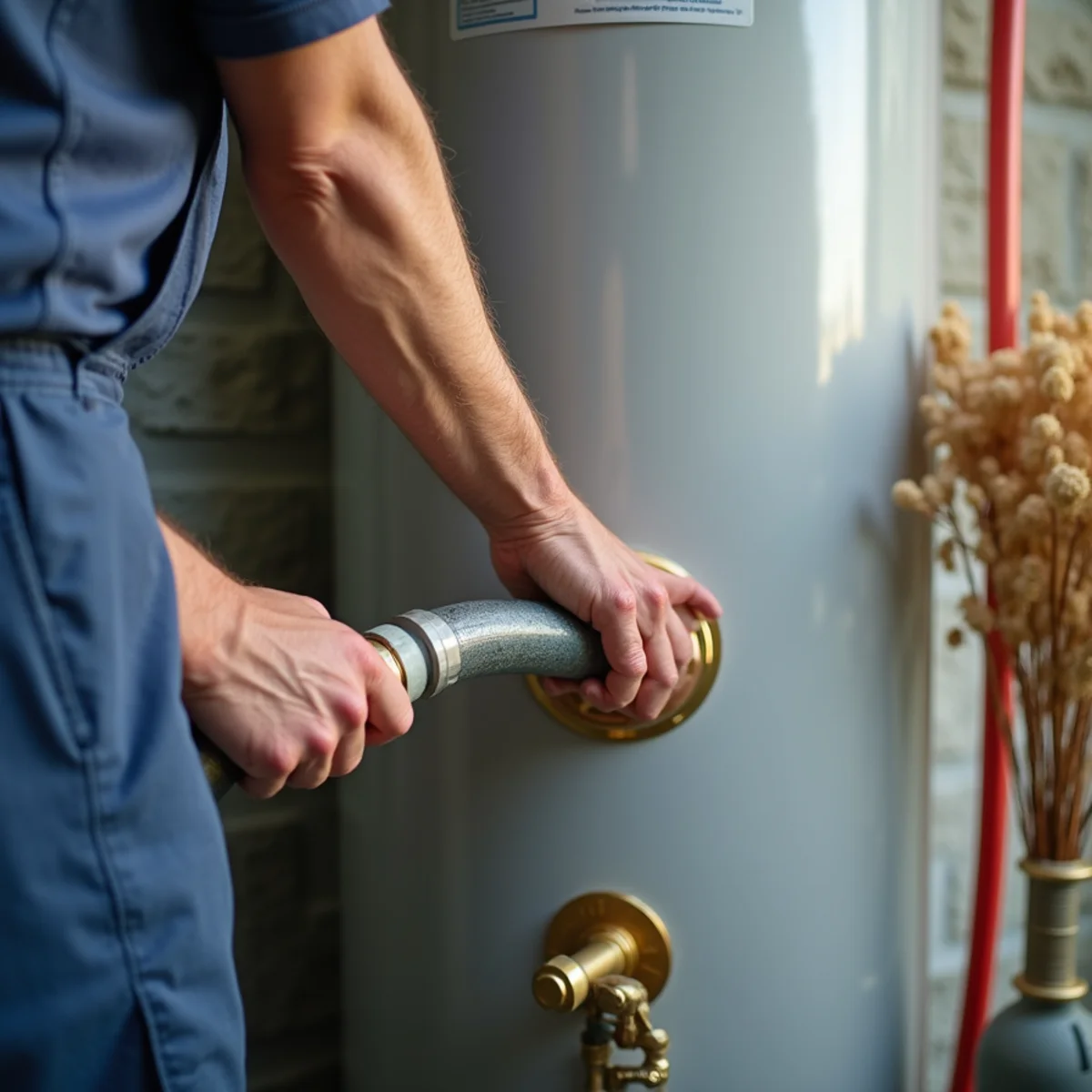
In winter, Lake Michigan water enters your water heater at temperatures near 38°F, forcing the unit to work much harder to deliver hot water. Mineral sediment accumulated at the bottom of the tank insulates the water from the burner, accelerating tank corrosion and increasing utility bills.
Flushing 5 to 10 gallons from your tank's bottom drain valve removes loose calcium deposits. If your water heater is over 8 years old, schedule a professional safety inspection to test the temperature-and-pressure (T&P) valve and sacrificial anode rod.
Step 4: Insulate Pipes in Unheated Spaces
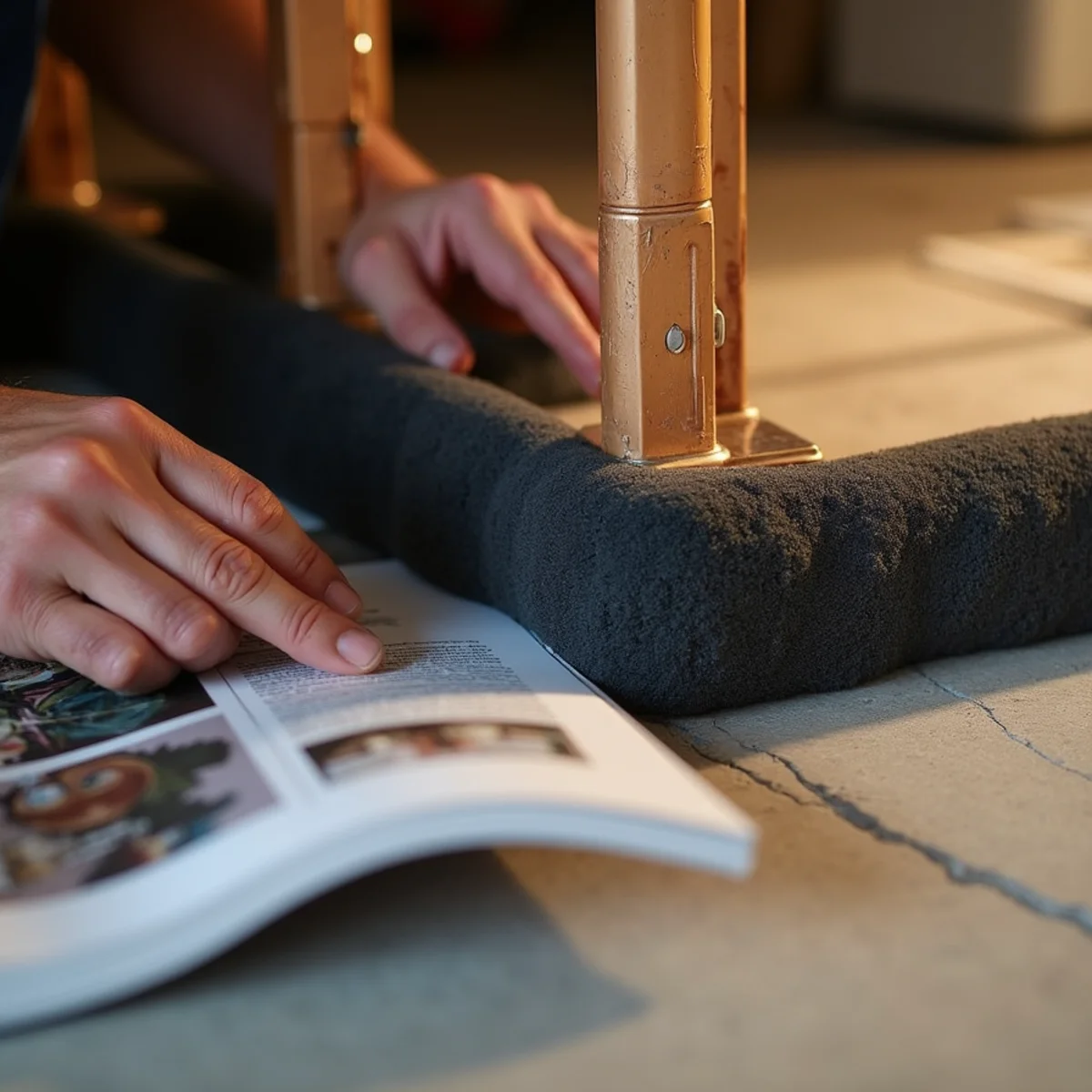
Inspect all water supply lines running through unheated crawlspaces, exterior rim joists, garages, or beneath kitchen sinks on outside walls. Wrap these vulnerable lines in closed-cell foam insulation and seal any drafty exterior wall penetrations with silicone caulk.
Boiler & Radiator Bleeding, Backflow Testing, and Sump Discharge Routing
Preparing a North Shore residence for sub-zero temperatures involves more than outdoor spigots. Many historic homes in Winnetka, Kenilworth, and Wilmette feature hydronic radiator or radiant baseboard heating. In early autumn, technicians should inspect the boiler feed valve, test the pressure relief valve, and bleed trapped air from upper-story radiators to ensure uniform heat distribution.
Additionally, underground lawn sprinkler systems must have their Reduced Pressure Zone (RPZ) backflow preventers drained and the lines blown out with industrial air compressors before the first hard freeze. Sump pump discharge lines must also be evaluated: any flexible corrugated extension hoses attached to exterior PVC discharge pipes must be disconnected for winter, preventing frozen ice dams that burn out pump motors.
Preparing Outdoor Kitchens, Irrigation Backflow Preventers, and Hose Bibs
In luxury North Shore residences featuring extensive outdoor living amenities, winterizing plumbing systems requires going far beyond disconnecting garden hoses. Outdoor kitchens, poolside wet bars, and lawn irrigation systems possess delicate brass valves, inline filter cartridges, and backflow preventers (RPZ assemblies) that will split or warp if subjected to freezing winter temperatures.
Every fall, irrigation backflow assemblies must be purged using regulated compressed air to remove all trapped water from internal chambers before the first hard ground frost. Exterior plumbing lines supplying poolside showers or outdoor beverage stations should be isolated via dedicated interior shut-off valves and drained completely through low-point petcock bleeder caps. Taking these proactive winterization measures protects high-value fixtures and eliminates costly spring repair surprises.
Emergency Water Isolation Drill for North Shore Homeowners
Before winter sets in, every member of your household should know the exact physical location of your interior main water shut-off valve. In historic Wilmette and Evanston residences, this valve is typically located near the front basement wall where the municipal copper or lead service line enters through the foundation floor.
Test the valve handle by turning it clockwise a quarter turn (for modern ball valves) or several full turns (for older gate valves) to ensure it moves smoothly without binding. If the valve resists or begins leaking around the packing nut when touched, contact Linden Plumbers at (858) 363-8298 immediately to install a modern, full-port stainless steel quarter-turn ball valve before freezing temperatures arrive.